
Bom Dia
The history of craftsmanship in Portugal
Portuguese craftsmanship is far more than a simple tradition, it is a living testimony to the history, culture and values of Portugal 🇵🇹. From colourful azulejos to hand-embroidered Arraiolos rugs, every handmade piece tells a unique story and reflects know-how passed down from generation to generation. In this article we invite you to discover the soul of this craft, how it has evolved and its impact today, while giving you a glimpse of the cultural treasures of Portugal 🇵🇹 through immersive experiences and authentic objects. 🌍✨

1. Azulejos: a timeless Portuguese signature 🇵🇹
Azulejos are one of the most emblematic symbols of Portugal 🇵🇹, both as decorative elements and as witnesses to the country's history and culture. These colourful ceramic tiles, often decorated with intricate patterns or narrative scenes, are everywhere in Portuguese architecture.
👉 Historical origins of the azulejos
The history of azulejos goes back to the Moorish presence in the Iberian peninsula. The word, derived from the Arabic "al-zulaij", means "small polished stone". The Portuguese 🇵🇹 adopted and transformed this art over the centuries, incorporating influences from the Italian Renaissance and other European styles.
In the 16th century, under the reign of Manuel I, azulejos grew in popularity and became an essential decorative element in churches, palaces and public buildings. Over time they evolved to depict religious, historical or everyday scenes.
👉 Traditional techniques
Making azulejos relies on age-old craft techniques. Each tile is carefully hand-painted, often in dominant shades of blue and white, before being fired at a high temperature to fix the colours. This method guarantees their durability and brightness, even after centuries.
Azulejos are used to tell stories: biblical tales in churches, or the exploits of Portugal's great maritime discoveries. The walls of the Jerónimos Monastery in Belém, for example, illustrate the richness of this tradition.
👉 Cultural and artistic heritage
Today, azulejos continue to enrich the artistic heritage of Portugal 🇵🇹. They are not only decorative elements but also a source of inspiration for contemporary artists and a symbol of Portuguese identity. You can admire these unique works of art in emblematic places such as São Bento station in Porto or the Parque metro station in Lisbon.
To discover more of the craftsmanship and culture of Portugal 🇵🇹, explore our boxes, which will immerse you in the fascinating heritage of this history-rich country.
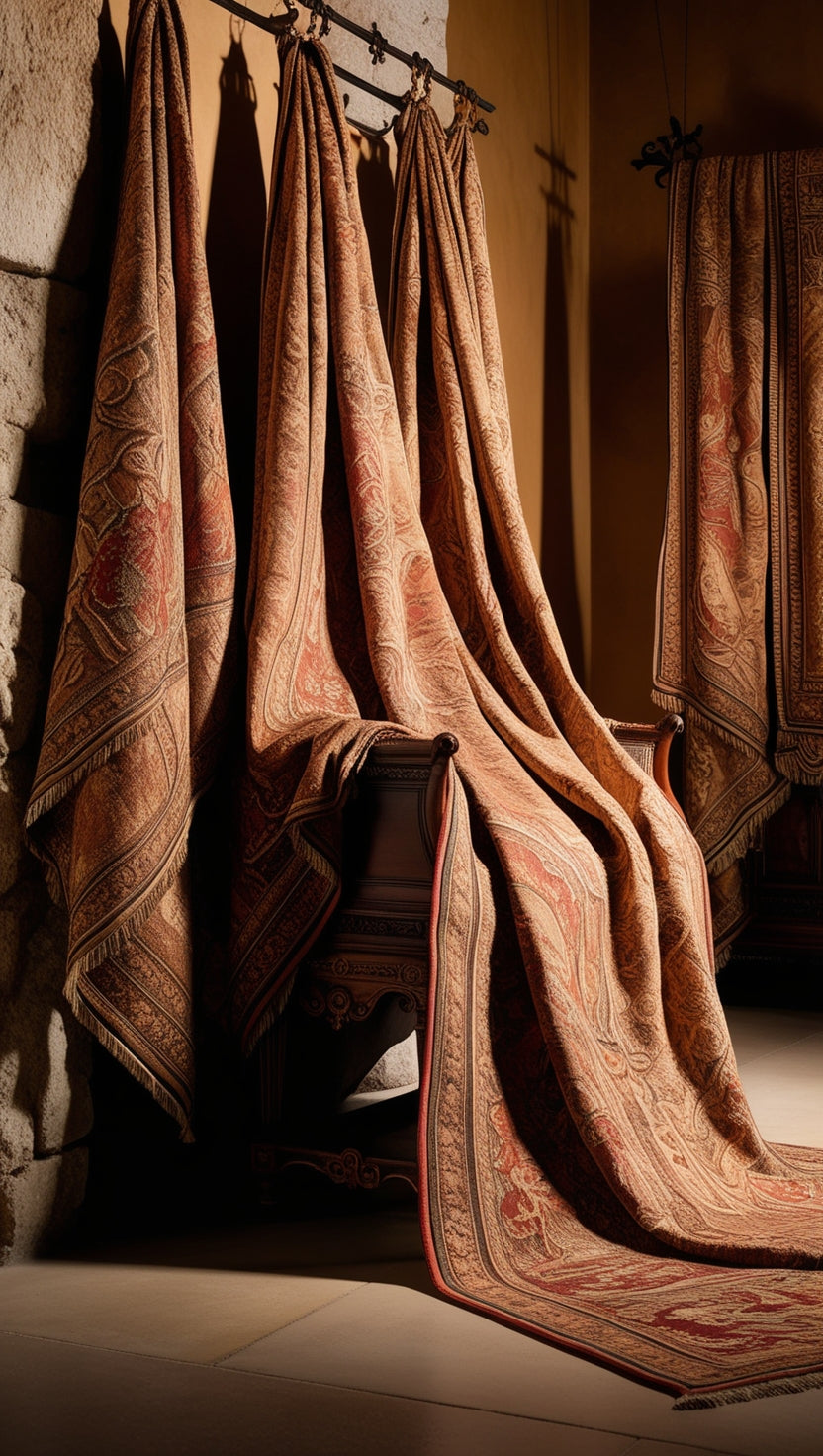
2. Arraiolos rugs: the elegance of Portuguese tradition 🧵
Arraiolos rugs are another treasure of Portugal's craft heritage 🇵🇹. Originating in the town of Arraiolos, in the Alentejo region, these hand-embroidered rugs embody a heritage and know-how handed down over several centuries.
👉 An origin rich in history
The story of Arraiolos rugs goes back to the 17th century, when local artisans took inspiration from oriental motifs to create their own designs. The embroiderers used techniques from Persia, adapted to locally available materials such as natural wool. This blend of styles gave rise to a form of craft unique to Portugal.
Over the years, these rugs have become symbols of Portuguese elegance, prized for their geometric and floral patterns reflecting Moorish and European influences.
👉 Meticulous craft techniques
Every rug is embroidered by hand with painstaking attention to detail. Artisans use a specific embroidery stitch, known as the "Arraiolos stitch", which gives the rugs their distinctive look and their longevity. The wool used is often dyed with natural pigments, contributing to their warm, authentic appearance.
These rugs are not merely decorative objects: they embody a Portuguese way of life and represent a strong link with the country's rural traditions.
👉 Worldwide recognition
Arraiolos rugs are recognised internationally today for their quality and timeless beauty. They are often among the most sought-after souvenirs by visitors to Portugal. Thanks to the efforts of local communities and government initiatives, this craft has stayed alive despite the challenges of industrialisation.
👉 Where to see and buy them?
If you want to discover these marvels, a visit to the workshops of Arraiolos is a must. There you will see artisans at work, keeping alive techniques handed down for generations. These rugs are also available in many specialist shops across Portugal.
To learn more about Portuguese craftsmanship and bring home a piece of this rich heritage, explore the options offered by our cultural boxes 🇵🇹, which showcase the treasures of Portugal.
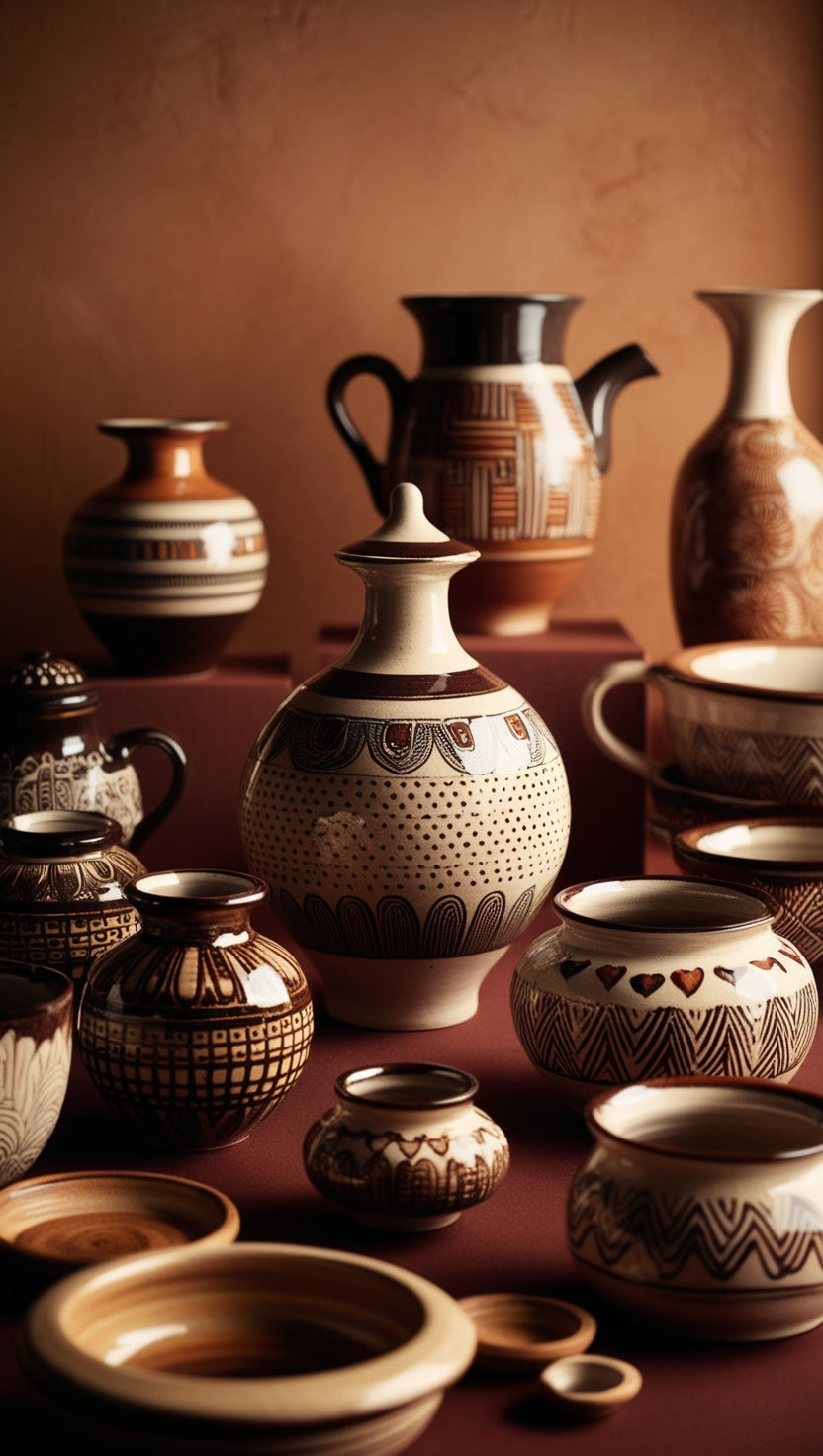
3. Portuguese ceramics: an art between tradition and modernity 🏺
Portuguese ceramics are another pillar of craftsmanship in Portugal 🇵🇹, combining usefulness with artistic expression. From rustic pottery to refined decorative works, this craft reflects both the history and the innovation of a country with many cultural influences.
👉 A history rooted in tradition
The art of ceramics in Portugal goes back thousands of years, with traces of Roman and Moorish influence in the motifs and techniques. Portuguese potters perfected their skills by developing unique styles, particularly visible in the regions of Caldas da Rainha, Coimbra and the Algarve. These local traditions gave rise to emblematic objects such as vases, plates and humorous figurines.
👉 A meticulous craft
Making Portuguese ceramics relies on ancient craft techniques, often handed down from generation to generation.
- Objects are shaped by hand or on a potter's wheel, then decorated with paints made from natural pigments.
- After firing at a high temperature, the ceramics gain their brilliant shine and their strength.
The creations of Caldas da Rainha, such as the famous ceramics of Rafael Bordalo Pinheiro, blend humour and creativity, with pieces like realistic vegetables or animals, much prized by art lovers.
👉 Modernity that enhances tradition
Today, Portuguese ceramicists combine tradition with modern design to suit contemporary tastes. Many draw on ancestral techniques to create functional and decorative objects, perfect for modern interiors. This blend of old and new appeals to collectors and visitors to Portugal alike 🇵🇹.
👉 Where to discover this art?
To admire the finest Portuguese ceramics, head to craft workshops or local markets, such as those in Caldas da Rainha or Lisbon. Some artisans even run workshops so visitors can discover their craft first-hand.
To immerse yourself further in the craft riches of Portugal, explore our cultural boxes, which showcase unique objects and the Portuguese art of living 🇵🇹.
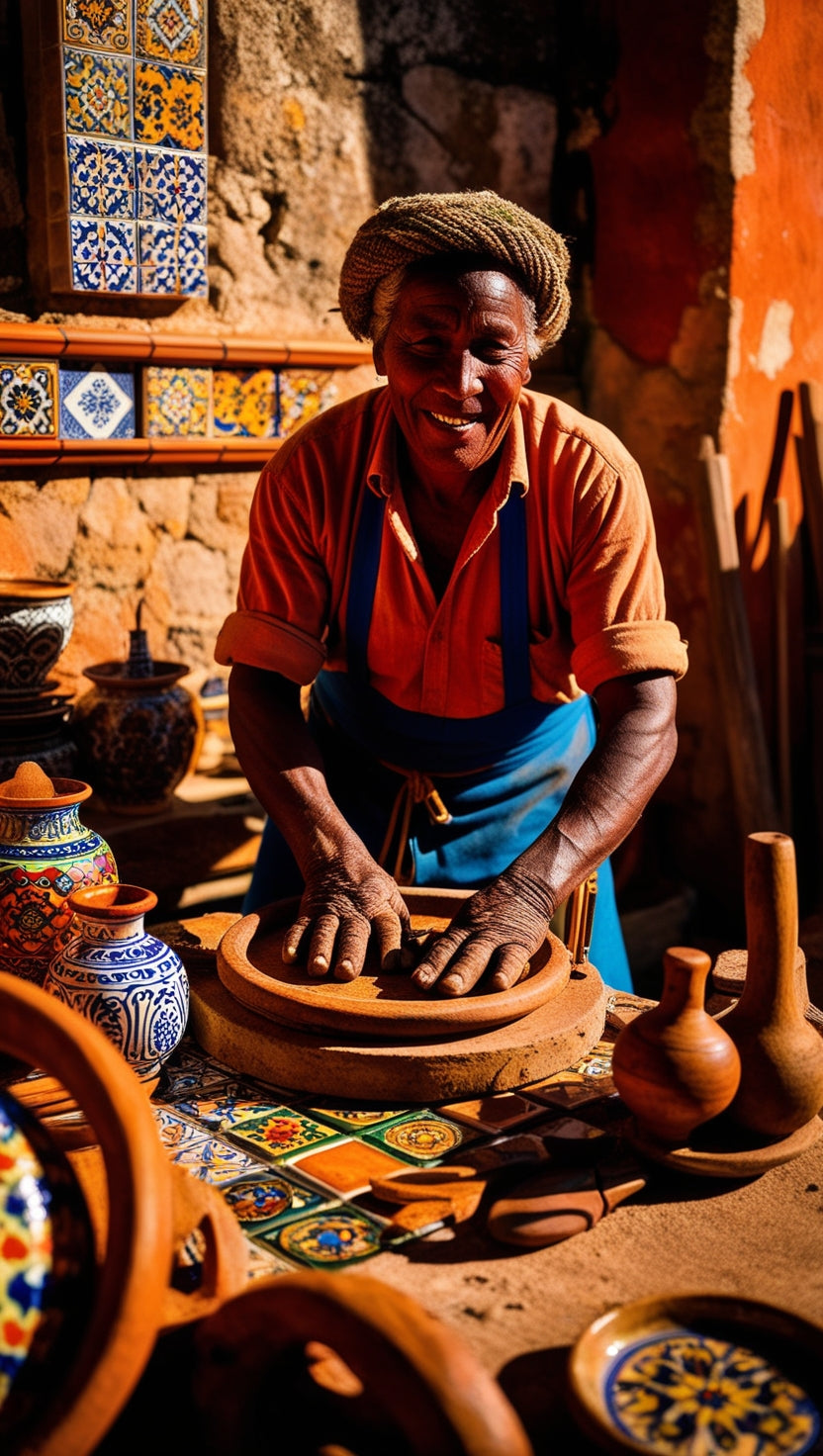
4. Portuguese craftsmanship, a driver of cultural identity 🇵🇹
In Portugal 🇵🇹, craftsmanship is not only know-how, it is a genuine living heritage that plays a central role in cultural identity and in preserving traditions. These craft practices are far more than aesthetic: they tell the story of communities, their influences and their values.
👉 Passing on skills from generation to generation
In many regions of Portugal, craft trades have been passed down within families for centuries. Whether it is the embroidery of Arraiolos rugs, the painting of azulejos or Alentejo pottery, these trades embody a strong link between past and present.
- Every artisan carries the heritage of their ancestors while adapting their creations to modern tastes.
- Skills are often passed on informally, in family workshops, but also through specialist schools and local cooperatives.
👉 The economic and tourist impact of craftsmanship
Portuguese craftsmanship is also an economic driver for the country 🇵🇹. It attracts travellers looking for authenticity and unique objects.
- Handmade products such as ceramics, textiles or jewellery are much sought after in local markets and souvenir shops.
- Visitors to Portugal often want to take home a part of this cultural heritage, whether an Arraiolos rug or an earthenware dish.
- Craftsmanship also helps revitalise rural areas by creating jobs and stimulating the local economy.
👉 Initiatives to preserve craftsmanship
Faced with modernisation and competition from industrial products, initiatives have emerged to protect these traditions:
- Government programmes: The Portuguese government supports artisans through grants and quality labels.
- Modern collaborations: Many artisans work with contemporary designers to reinvent their creations and reach new customers.
- Festivals and exhibitions: Events such as the "Craft Trades Festival" celebrate Portugal's craft heritage, promoting it to an international audience.
👉 A richness to discover
Portuguese craftsmanship is an invitation to travel through time and discover the soul of the country. Every object tells a unique story and reflects the exceptional talent of its makers.
To explore this cultural wealth further, dive into our craft boxes 🇵🇹 and discover the treasures of Portugal from home.
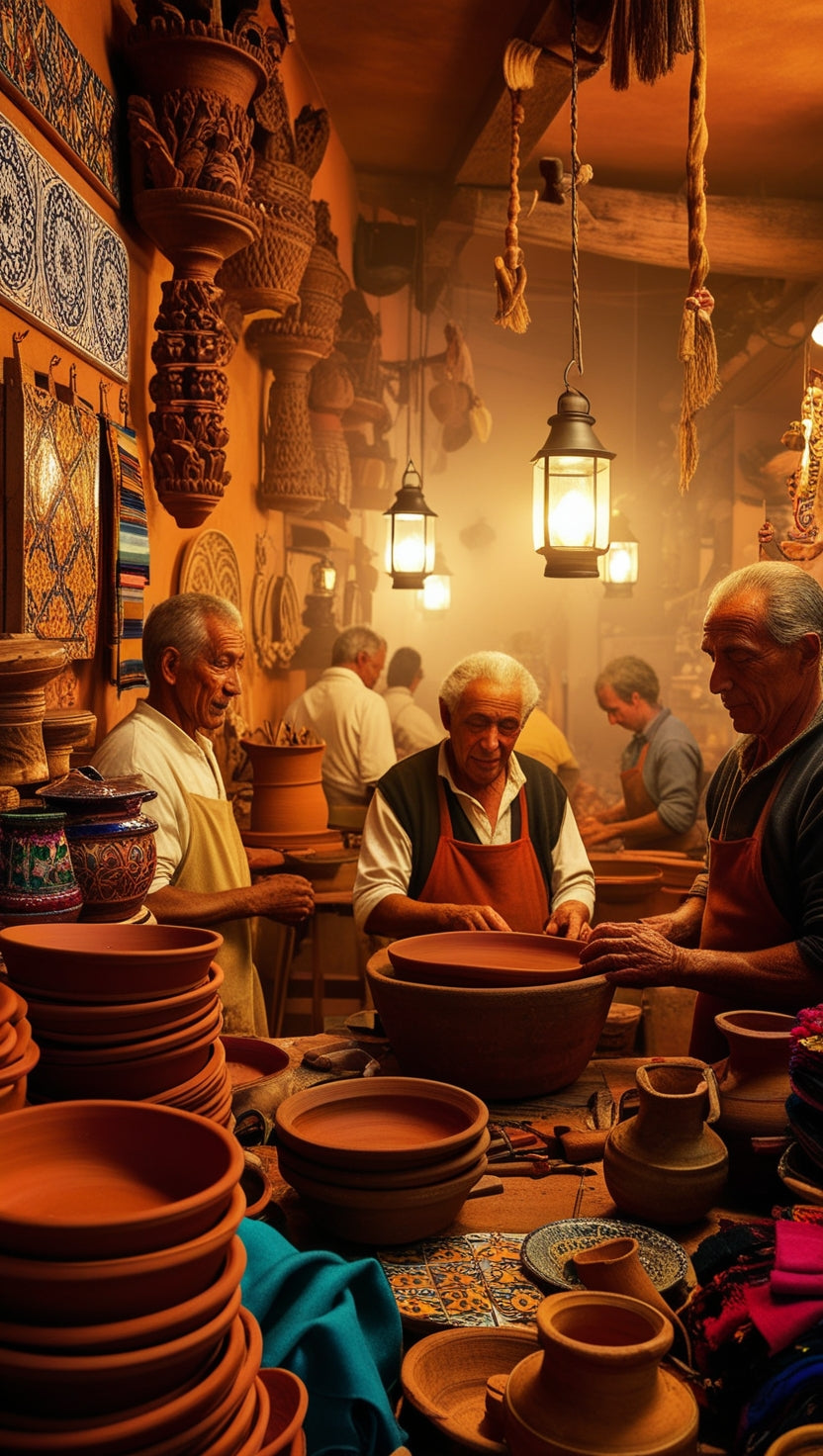
5. Portuguese craftsmanship: an invitation to an immersive cultural experience ✨
Beyond the objects it produces, the craftsmanship of Portugal 🇵🇹 offers a unique, immersive experience for anyone wanting to better understand the country's history and culture. Taking part in workshops or visiting emblematic places lets visitors connect directly with the traditions and create unforgettable memories.
👉 Meeting local artisans
Discovering Portuguese craftsmanship means, above all, meeting the people who keep it alive. Artisans share their passion and knowledge in workshops open to the public, where anyone can learn to:
- Paint azulejos: Explore the secrets of these emblematic Portuguese tiles by joining a workshop where you can personalise your own piece.
- Weave an Arraiolos rug: With expert guidance, learn the basics of traditional embroidery and leave with a unique souvenir.
- Make pottery: Put your hands in the clay to shape objects inspired by ancient styles, while discovering techniques used for centuries.
These experiences help you understand the importance of every stage of production and the value of the time invested in each creation.
👉 Emblematic places to immerse yourself in tradition
For a complete immersion, Portugal is full of places where craftsmanship takes centre stage:
- Caldas da Rainha: Known for its humorous and unique ceramics.
- Arraiolos: The town famous for its embroidered rugs.
- Museums: Places such as the National Azulejo Museum in Lisbon offer a historical and artistic overview of Portuguese craft traditions.
These visits let you discover how craft trades have evolved while admiring pieces of great historical value.
👉 Why take part in these experiences?
Workshops and immersive visits allow you to:
- Support local artisans: Your participation helps preserve the traditions.
- Create unique souvenirs: Take home a handmade object you helped create.
- Learn history through doing: Understand the origins of the techniques while practising them.
👉 Explore Portuguese culture at home
If you cannot visit the workshops in person, our craft boxes 🇵🇹 let you discover an authentic selection of handmade products directly inspired by the traditions of Portugal.
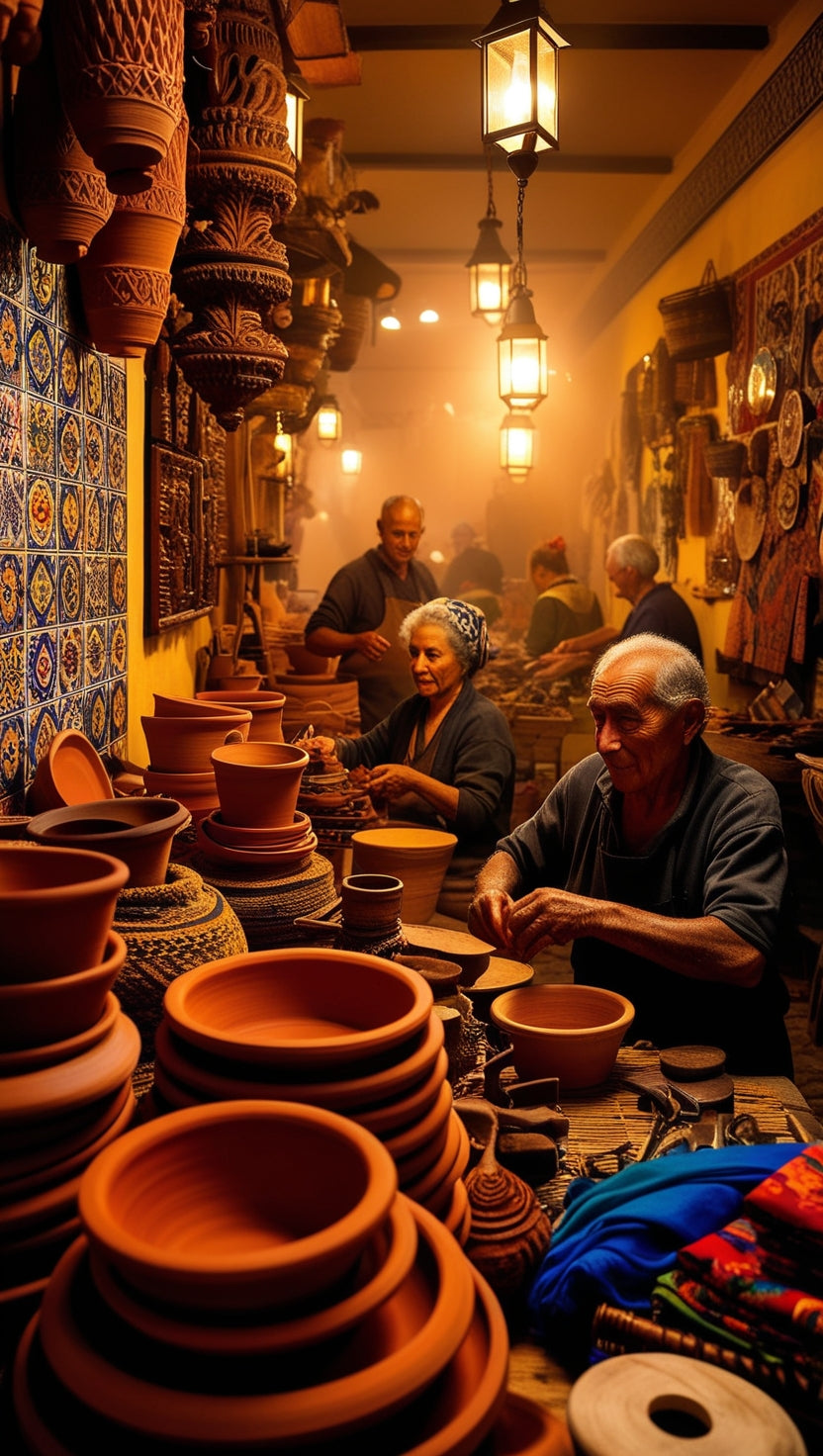
6. Conclusion: Portuguese craftsmanship, a living heritage to explore 🧡
The craftsmanship of Portugal 🇵🇹 is not simply a series of handmade objects: it is a genuine dive into the history, culture and traditions of a people. Every rug, ceramic or azulejo embodies unique know-how, passed from generation to generation, and tells a part of the Portuguese soul.
👉 Why this heritage matters
Craft trades in Portugal are much more than a relic of the past. They represent:
- A link between past and present: Ancestral techniques are still alive and enriched by contemporary influences.
- Cultural wealth: Every piece created tells a unique story, whether decorative azulejos or handmade Arraiolos rugs.
- A source of inspiration: Portuguese craftsmanship inspires not only modern designers but also visitors from all over the world.
👉 An invitation to discover
Travelling in Portugal, you have the chance to see these traditions up close:
- Visit workshops and museums to discover what goes on behind the scenes of this exceptional craft.
- Take part in immersive experiences to better understand the meticulous work and passion behind every creation.
- Support local artisans by buying authentic products that capture the essence of Portugal 🇵🇹.
👉 Discover Portuguese craftsmanship at home
If you cannot travel there in person, we offer a unique experience through our craft boxes. These boxes let you bring a piece of Portuguese craftsmanship straight into your everyday life, to enjoy and share this cultural richness.
Portuguese craftsmanship is a celebration of skill, history and the art of living. It is an invitation to explore a living heritage and to immerse yourself in the timeless beauty of Portugal. 🌍✨
Product
Contactez-nous