
Bonjour
The History of Arts and Crafts in Portugal
Portuguese craftsmanship is much more than a simple tradition; it is a true living testimony to the history, culture, and values of Portugal 🇵🇹. From colorful azulejos to hand-embroidered Arraiolos carpets, each artisanal piece tells a unique story and reflects a know-how passed down from generation to generation. In this article, we invite you to discover the soul of this craftsmanship, its evolution, and its current impact, while offering you a glimpse into the cultural treasures of Portugal 🇵🇹 through immersive experiences and authentic objects. 🌍✨
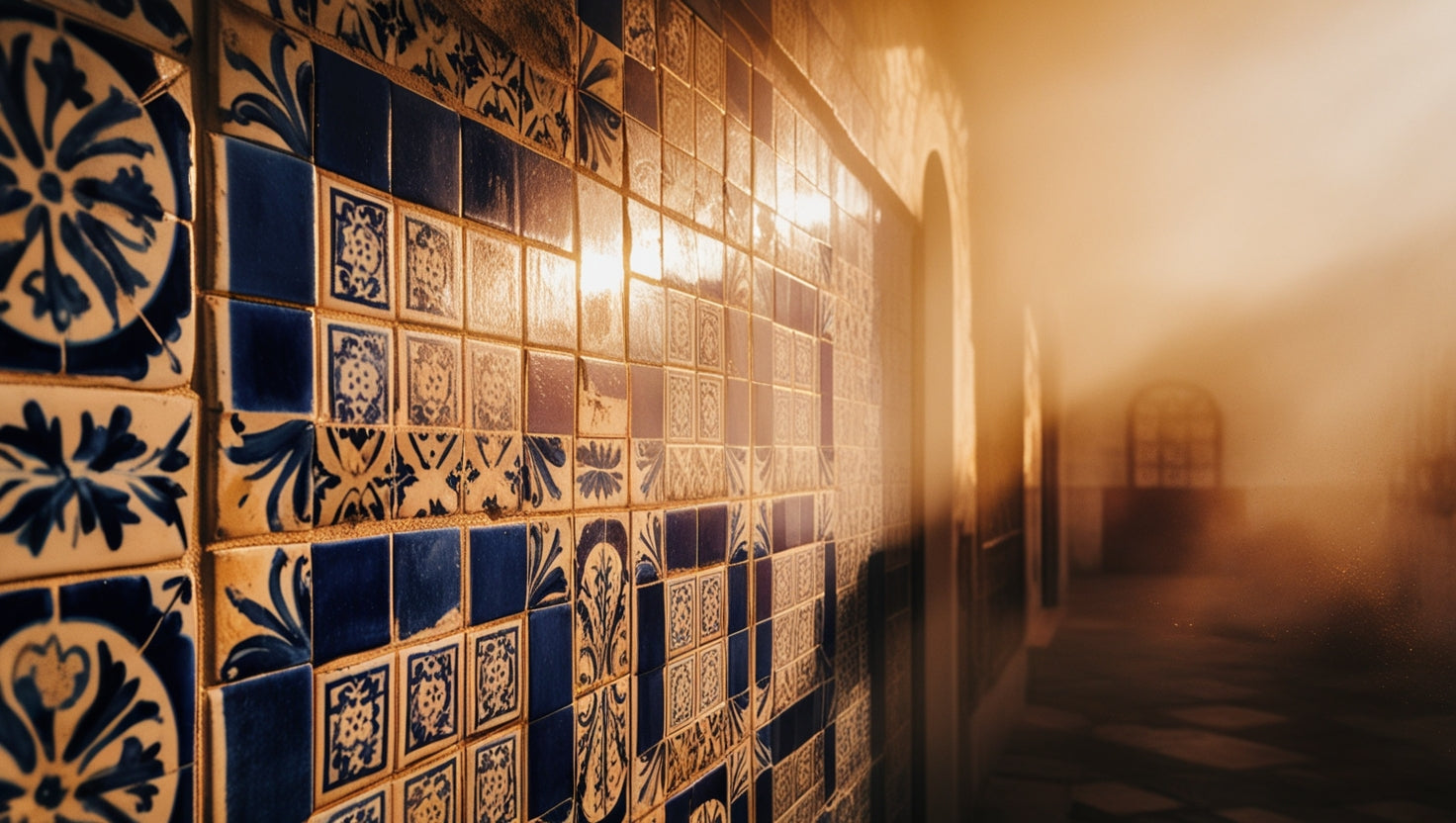
1. Azulejos: An Enduring Portuguese Signature 🇵🇹
Azulejos are one of Portugal's 🇵🇹 most iconic symbols, serving both as decorative elements and as testaments to the country's history and culture. These colorful ceramic tiles, often adorned with intricate patterns or narrative scenes, are ubiquitous in Portuguese architecture.
👉 Historical Origins of Azulejos
The history of azulejos dates back to the period of Moorish influence in the Iberian Peninsula. The word, derived from the Arabic "al-zulaij," means "small polished stone." The Portuguese 🇵🇹 adopted and transformed this art over centuries, integrating influences from the Italian Renaissance and European styles.
In the 16th century, during the reign of Manuel I, azulejos gained popularity and became an essential decorative element in churches, palaces, and public buildings. Over time, they evolved to depict religious, historical, or daily life scenes.
👉 Traditional Techniques
The making of azulejos relies on ancestral artisanal techniques. Each tile is carefully hand-painted, often with dominant blue and white hues, before being fired at high temperatures to set the colors. This method ensures their durability and brilliance, even after centuries.
Azulejos are used to tell stories: from biblical narratives in churches to the exploits of Portugal's great maritime discoveries. For instance, the walls of the Jerónimos Monastery in Belém illustrate the richness of this tradition.
👉 Cultural and Artistic Heritage
Today, azulejos continue to enrich Portugal's 🇵🇹 artistic heritage. They are not merely decorative elements but also a source of inspiration for contemporary artists and a symbol of Portuguese identity. You can admire these unique works of art in iconic places like São Bento Station in Porto or Parque metro station in Lisbon.
To discover more about the craftsmanship and culture of Portugal 🇵🇹, explore our boxes that will immerse you in the fascinating heritage of this country steeped in history.
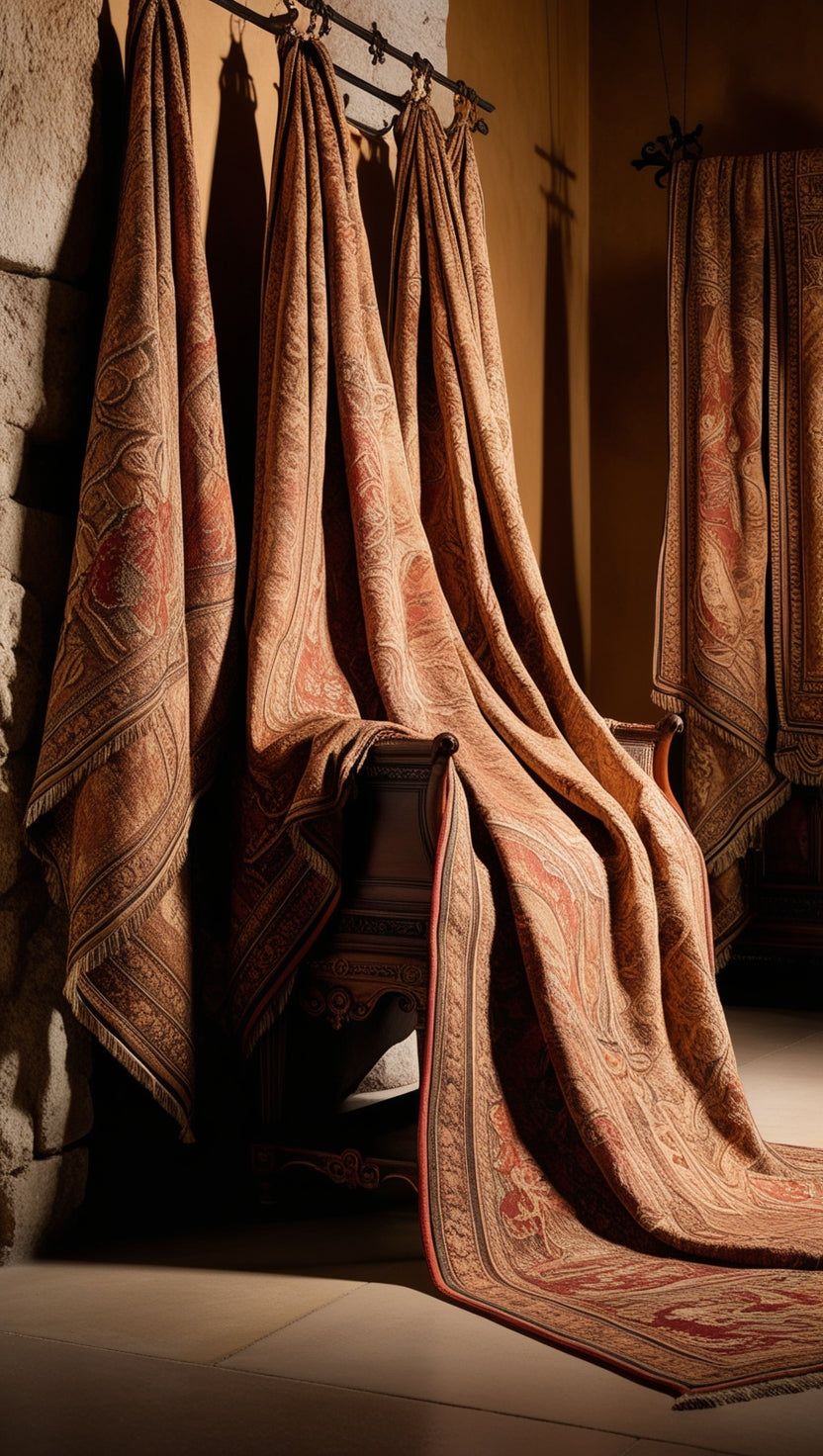
2. Arraiolos rugs: the elegance of Portuguese tradition 🧵
The Arraiolos carpets are another treasure of Portugal's 🇵🇹 artisanal heritage. Originating from the town of Arraiolos, located in the Alentejo region, these hand-embroidered carpets embody the legacy and ancestral know-how passed down for centuries.
👉 A history rich in origin
The history of Arraiolos carpets dates back to the 17th century, when local artisans drew inspiration from oriental patterns to create their own designs. Embroiderers used techniques from Persia, adapted with locally available materials, such as natural wool. This blend of styles gave birth to a unique form of craftsmanship in Portugal.
Over the years, these carpets have become symbols of Portuguese elegance, prized for their geometric and floral motifs that reflect Moorish and European influences.
👉 Meticulous artisanal techniques
Each carpet is hand-embroidered with meticulous attention to detail. Artisans use a specific embroidery stitch, called the "Arraiolos stitch," which gives the carpets their distinctive appearance and longevity. The wool used is often dyed with natural pigments, contributing to their warm and authentic aesthetic.
These carpets are not just decorative objects: they embody a Portuguese way of life and represent a strong link to the country's rural traditions.
👉 Worldwide recognition
Arraiolos carpets are now internationally recognized for their quality and timeless beauty. They are often among the most sought-after souvenirs by visitors to Portugal. Thanks to the efforts of local communities and government initiatives, this craft has remained vibrant despite the challenges of industrialization.
👉 Where to admire and buy them?
If you wish to discover these wonders, a visit to the workshops of Arraiolos is essential. You will see artisans at work, perpetuating techniques passed down through generations. These carpets are also available in many specialized shops throughout Portugal.
To learn more about Portuguese craftsmanship and bring home a piece of this rich heritage, explore the options offered by our cultural boxes 🇵🇹 that highlight the treasures of Portugal.
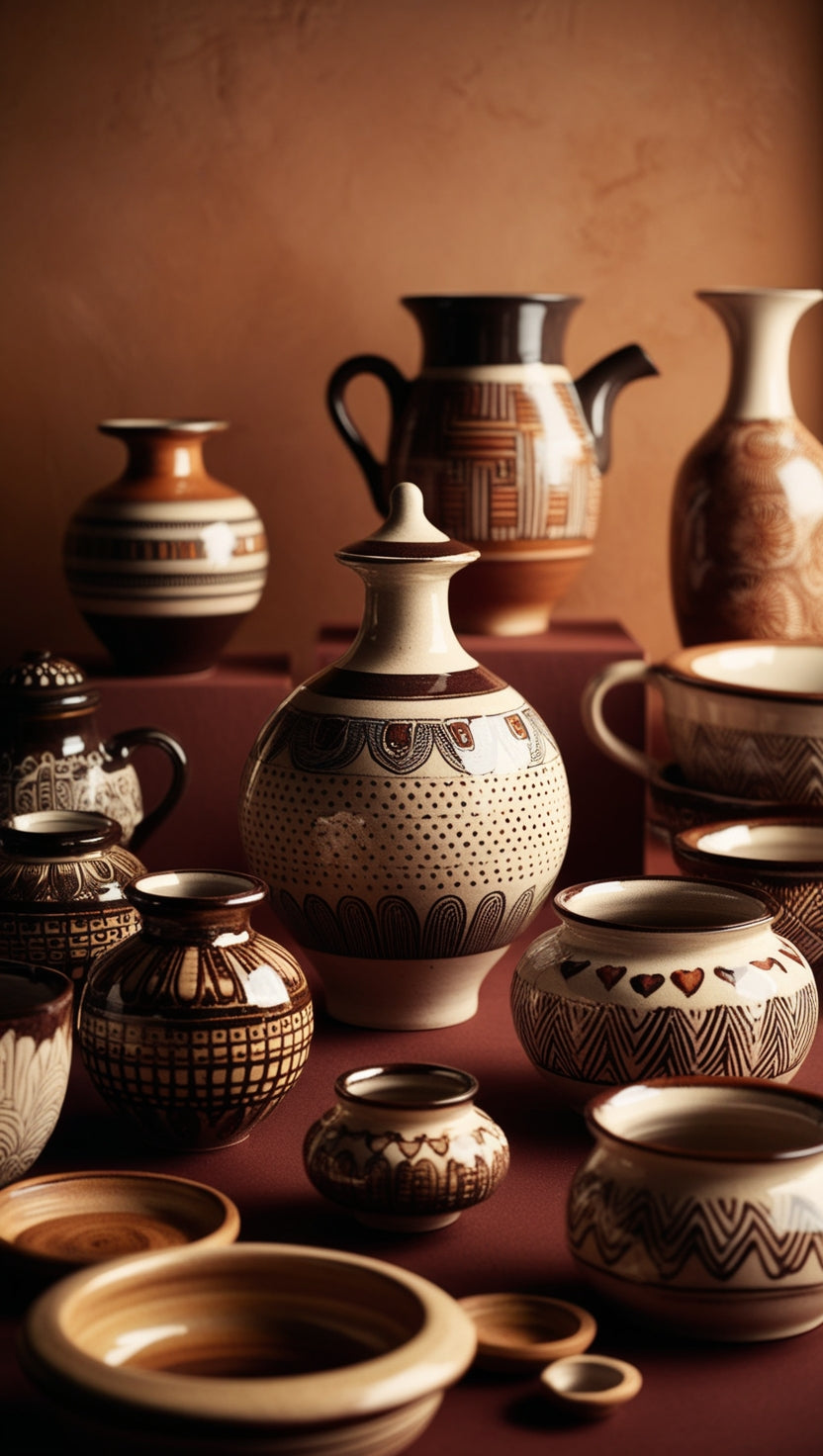
3. Portuguese Ceramics: An Art Between Tradition and Modernity 🏺
La céramique portugaise est un autre pilier de l’artisanat du Portugal 🇵🇹, mêlant utilité et expression artistique. Des poteries rustiques aux œuvres décoratives raffinées, cet artisanat reflète à la fois l’histoire et l’innovation de ce pays aux multiples influences culturelles.
👉 Une histoire ancrée dans la tradition
L’art de la céramique au Portugal remonte à des millénaires, avec des traces d’influence romaine et mauresque dans les motifs et les techniques. Les potiers portugais ont su perfectionner leur savoir-faire en développant des styles uniques, particulièrement visibles dans les régions de Caldas da Rainha, Coimbra et l’Algarve. Ces traditions locales ont donné naissance à des objets emblématiques comme les vases, les assiettes, et les figurines humoristiques.
👉 Une expression artisanale minutieuse
La fabrication de céramiques portugaises repose sur des techniques artisanales anciennes, souvent transmises de génération en génération.
- Les objets sont façonnés à la main ou sur un tour de potier, puis décorés avec des peintures à base de pigments naturels.
- Après une cuisson à haute température, les céramiques acquièrent leur éclat brillant et leur solidité.
Les créations de Caldas da Rainha, comme les fameuses céramiques de Rafael Bordalo Pinheiro, mêlent humour et créativité, avec des pièces comme des légumes ou animaux réalistes, très prisées des amateurs d’art.
👉 Une modernité qui sublime la tradition
Aujourd’hui, les céramistes portugais allient tradition et design moderne pour répondre aux goûts contemporains. Beaucoup s’inspirent des techniques ancestrales pour créer des objets fonctionnels et décoratifs, parfaits pour les intérieurs modernes. Ce mélange d’ancien et de nouveau attire aussi bien les collectionneurs que les visiteurs du Portugal 🇵🇹.
👉 Où découvrir cet art ?
Pour admirer les plus belles créations de céramique portugaise, rendez-vous dans des ateliers artisanaux ou marchés locaux, comme ceux de Caldas da Rainha ou Lisbonne. Certains artisans organisent même des ateliers pour permettre aux visiteurs de découvrir leur savoir-faire.
Pour vous plonger davantage dans la richesse artisanale du Portugal, explorez nos box culturelles qui mettent en valeur des objets uniques et l’art de vivre portugais 🇵🇹.
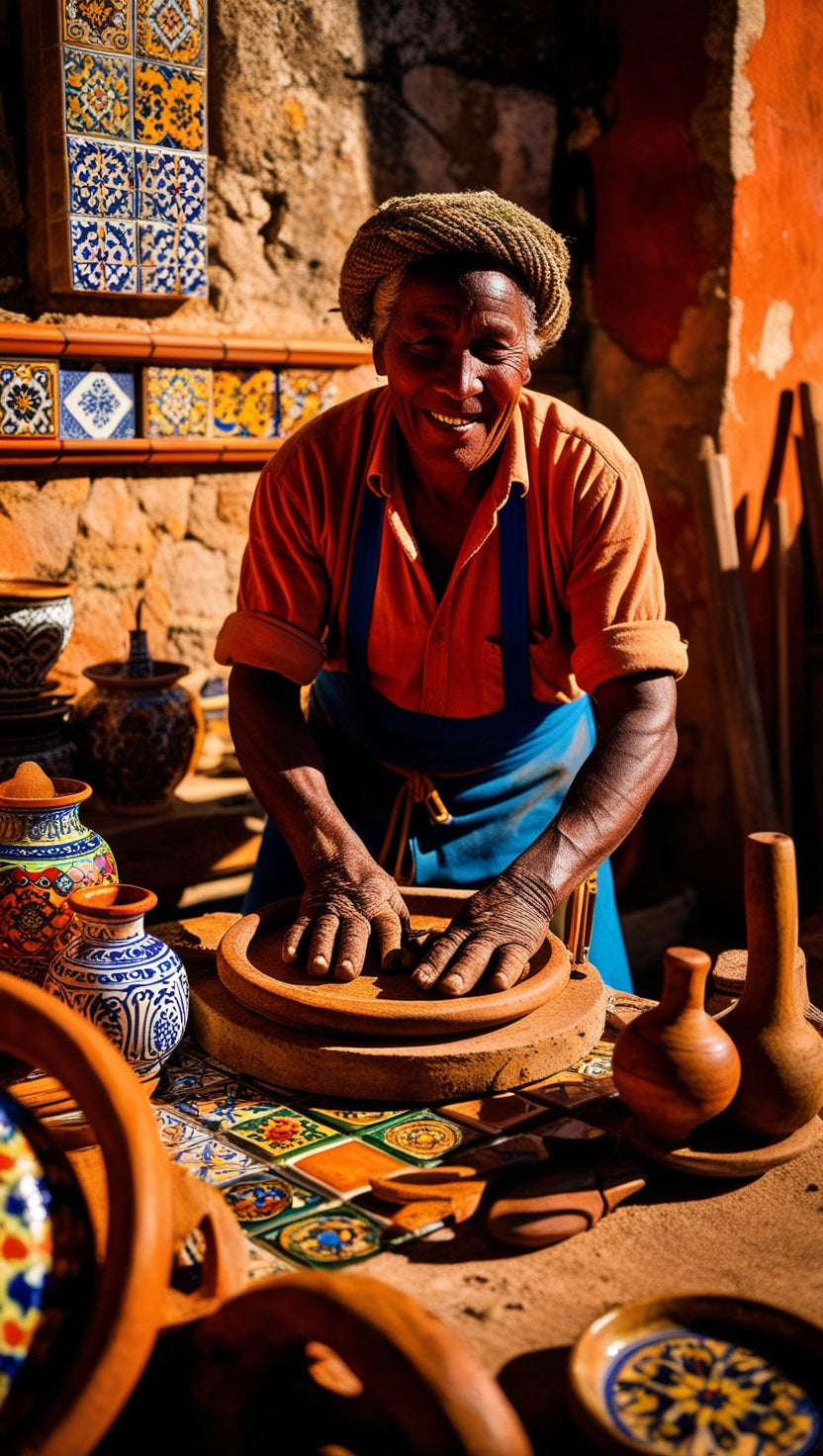
4. Portuguese Handicrafts: A Driving Force for Cultural Identity 🇵🇹
In Portugal 🇵🇹, craftsmanship is not just a skill; it's a living heritage that plays a central role in cultural identity and the preservation of traditions. These artisanal practices are much more than aesthetic: they tell the story of communities, their influences, and their values.
👉 The transmission of know-how from generation to generation
In many regions of Portugal, crafts have been passed down within families for centuries. Whether it's the embroidery of Arraiolos carpets, the painting of azulejos, or the pottery of Alentejo, these crafts embody a strong link between the past and the present.
- Each artisan carries the heritage of their ancestors while adapting their creations to modern trends.
- Transmission often occurs informally, in family workshops, but also through specialized schools and local cooperatives.
👉 The economic and tourist impact of crafts
Portuguese craftsmanship is also an economic driver for the country 🇵🇹. It attracts travelers seeking authenticity and unique objects.
- Handcrafted products, such as ceramics, textiles, or handmade jewelry, are highly prized in local markets and souvenir shops.
- Visitors to Portugal often seek to bring home a piece of this cultural heritage, whether it's an Arraiolos carpet or a faience dish.
- Craftsmanship also helps revitalize rural areas by generating jobs and stimulating the local economy.
👉 Initiatives to preserve craftsmanship
Faced with modernization and competition from industrial products, initiatives have emerged to protect these traditions:
- Government programs: The Portuguese government supports artisans through grants and quality labels.
- Modern collaborations: Many artisans work with contemporary designers to reinvent their creations and reach new customers.
- Festivals and exhibitions: Events like the "Festival des Métiers d’Art" (Crafts Festival) celebrate Portugal's artisanal heritage, promoting it to an international audience.
👉 A richness to discover
Portuguese craftsmanship is an invitation to travel through time and discover the soul of the country. Each object tells a unique story and reflects the exceptional talent of its creators.
To explore this cultural richness further, immerse yourself in our artisanal boxes 🇵🇹 and discover the treasures of Portugal directly at home.
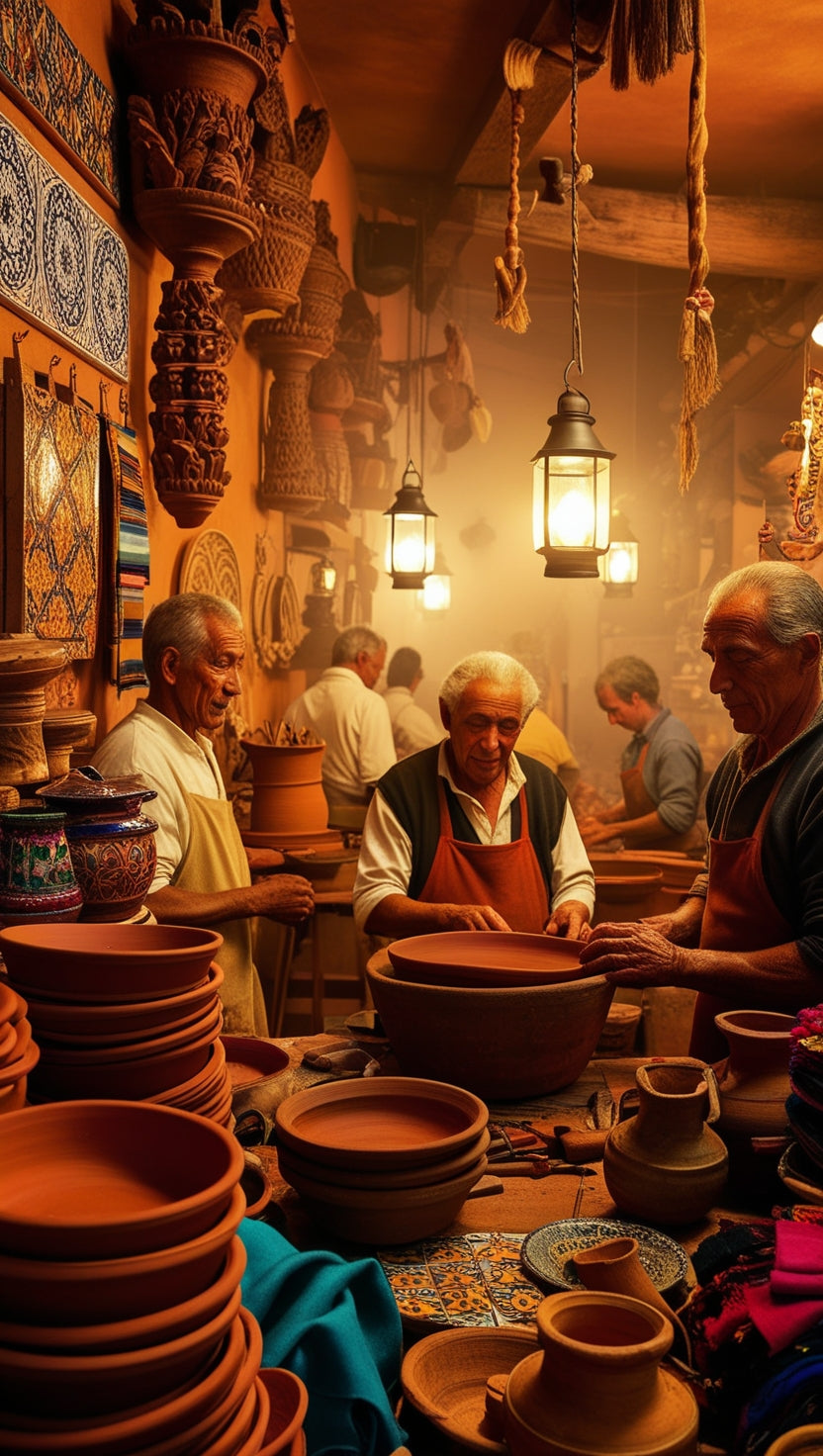
5. Portuguese craftsmanship: an invitation to an immersive cultural experience ✨
Beyond the objects it produces, the crafts of Portugal 🇵🇹 offer a unique and immersive experience for anyone who wants to better understand the history and culture of this country. Participating in workshops or visiting iconic places allows visitors to connect directly to traditions and create unforgettable memories.
👉 A meeting with local artisans
Discovering Portuguese crafts is, above all, meeting those who bring them to life. Artisans share their passion and knowledge in workshops open to the public, where everyone can learn to:
- Paint azulejos: Explore the secrets of these emblematic tiles of Portugal by participating in a workshop where you can personalize your own piece.
- Weave an Arraiolos rug: Under the guidance of experts, learn the basics of traditional embroidery and leave with a unique souvenir.
- Create pottery: Get your hands in the clay to shape objects inspired by ancient styles, while discovering techniques used for centuries.
These experiences help to better understand the importance of each manufacturing step and the value of the time invested in each creation.
👉 Iconic places to delve into tradition
For a complete immersion, Portugal is full of places where crafts are honored:
- Caldas da Rainha: Known for its humorous and unique ceramics.
- Arraiolos: The emblematic city of embroidered rugs.
-
Museums: Places like the National Azulejo Museum in Lisbon offer a historical and artistic overview of Portuguese craft traditions.
These visits allow you to discover the evolution of artistic trades, while admiring pieces of great historical value.
👉 Why participate in these experiences?
Workshops and immersive visits allow you to:
- Support local artisans: Your participation contributes to the preservation of traditions.
- Create unique memories: Bring home a handmade object that you helped create.
- Learn history through action: Understand the origins of techniques while practicing them.
👉 Explore Portuguese culture at home
If you can't visit the workshops in person, our 🇵🇹 craft boxes allow you to discover an authentic selection of handmade products, directly inspired by the traditions of Portugal.
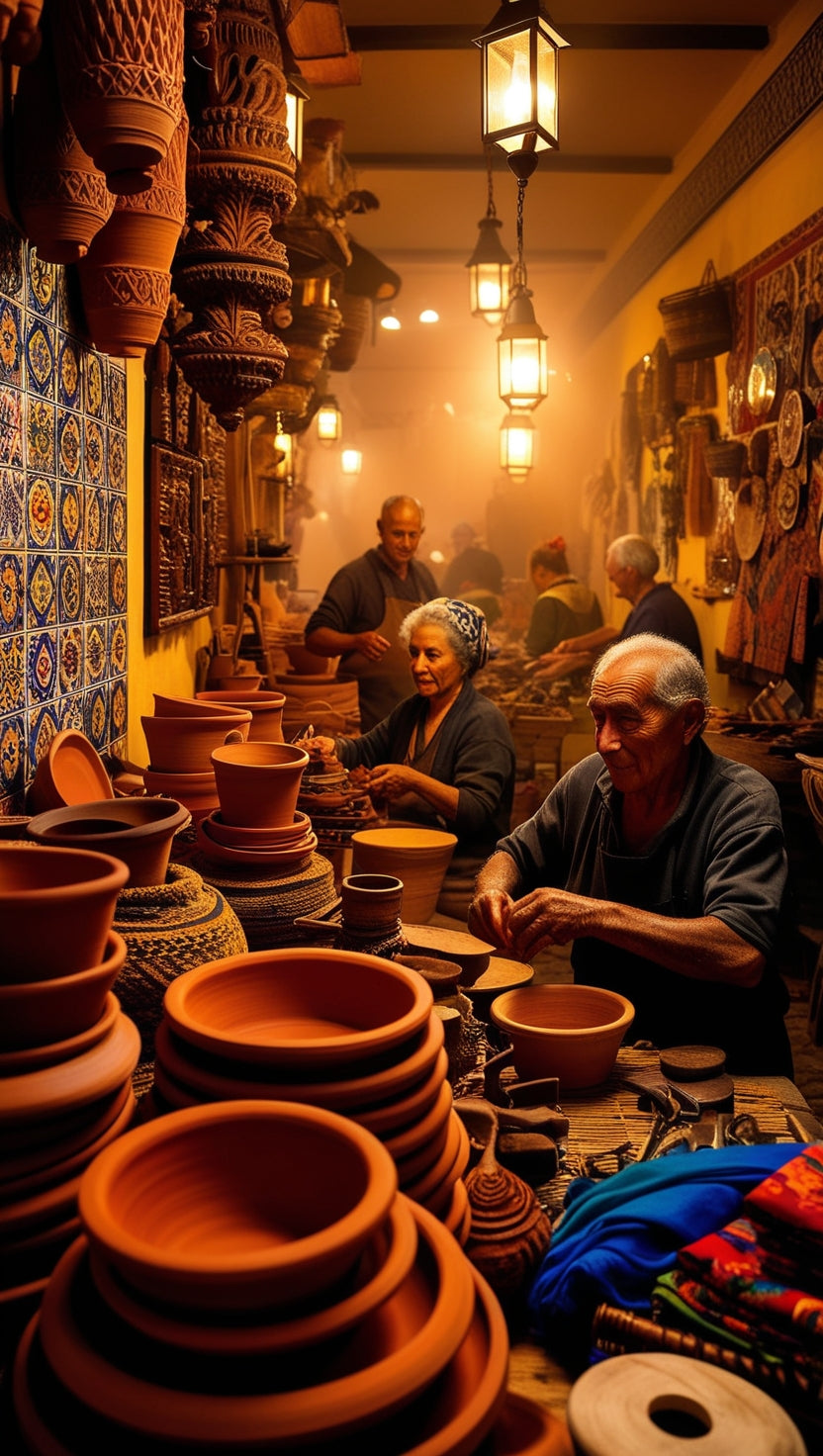
6. Conclusion: Portuguese craftsmanship, a living heritage to explore 🧡
The craftsmanship of Portugal 🇵🇹 is not merely a series of handmade objects: it is a true immersion in the history, culture, and traditions of a people. Each rug, ceramic, or azulejo embodies unique expertise, passed down from generation to generation, and tells a part of the Portuguese soul.
👉 Why this heritage is precious
Art crafts in Portugal are much more than a relic of the past. They represent:
- A link between past and present: Ancestral techniques are still alive and enriched by contemporary influences.
- Cultural richness: Each created piece tells a unique story, whether it's decorative azulejos or handmade Arraiolos rugs.
- A source of inspiration: Portuguese craftsmanship inspires not only modern designers but also visitors from around the world.
👉 An invitation to discover
By traveling to Portugal, you have the opportunity to see these traditions up close:
- Visit workshops and museums to discover the behind-the-scenes of this exceptional craftsmanship.
- Participate in immersive experiences to better understand the meticulous work and passion behind each creation.
- Support local artisans by purchasing authentic products that capture the essence of Portugal 🇵🇹.
👉 Discover Portuguese craftsmanship at home
If you cannot travel there, we offer you a unique experience through our artisan boxes. These boxes allow you to bring a piece of Portuguese craftsmanship directly into your daily life, to experience and share this cultural richness.
Portuguese craftsmanship is a celebration of savoir-faire, history, and the art of living. It is an invitation to explore a living heritage and immerse yourself in the timeless beauty of Portugal. 🌍✨
Produit
Contactez-nous